Digital Retailing and the Online Car Buying Experience in 2026
Explore how digital retail is transforming the online car buying experience in 2026 and what dealerships must do to stay competitive


The way people buy cars has changed permanently.
What began as simple online browsing has evolved into a fully digital retail ecosystem. In 2026, the majority of vehicle buyers complete most — if not all — of their purchase journey online before ever stepping into a dealership.
Digital retailing is no longer an experiment. It is the standard.
For dealerships, this shift presents both opportunity and pressure. Those who embrace digital retail strategically are gaining efficiency, improving conversion rates, and shortening sales cycles. Those who treat it as a secondary channel are falling behind.
Here’s how digital retailing is reshaping the automotive industry in 2026 — and what dealerships must do to stay competitive.
The Modern Car Buyer Journey
Today’s buyer journey is no longer linear.
Customers now:
- Research vehicles across multiple platforms
- Compare pricing nationally
- Watch video walkarounds
- Read reviews
- Calculate finance payments
- Check part-exchange values
- Communicate via live chat or WhatsApp
- Reserve vehicles online
By the time they contact a dealership, they often know exactly what they want.
The role of the dealership has shifted from “information provider” to “decision facilitator.”
That means the digital experience must be frictionless.
Digital Retail Is About Control
Consumers in 2026 expect control.
They want to:
- Browse at their own pace
- Access transparent pricing
- Structure finance independently
- Understand optional extras clearly
- Complete paperwork digitally
They do not want to feel pressured or dependent on in-store conversations to progress.
Dealerships that provide digital tools empowering buyers are seeing:
- Higher enquiry quality
- Fewer wasted appointments
- Shorter negotiation cycles
- Improved customer satisfaction
Control builds confidence.
The Rise of End-to-End Online Purchasing
While not every buyer completes the entire transaction online, the capability now exists across many dealer platforms.
Customers can:
- Reserve vehicles
- Apply for finance
- Upload ID documents
- Pay deposits
- Arrange delivery
This creates a seamless experience similar to other e-commerce sectors.
However, automotive retail differs from typical online shopping because of price, emotional investment and risk perception.
Trust is everything.
And trust begins with digital presentation.
Why Imagery Is Central to Digital Retail
Without a physical showroom, images become the primary tool for decision-making.
A customer cannot:
- Feel the interior
- Inspect the paint in person
- Walk around the vehicle
So the imagery must compensate.
High-performing digital retail experiences include:
- Consistent vehicle angles
- Clean backgrounds
- Correct lighting
- Clear interior shots
- Detail close-ups
- 360° views where possible
Poor imagery undermines even the most advanced digital retail platform.
If a website offers online checkout but the photos look inconsistent, trust erodes instantly.
Speed and Responsiveness in 2026
Digital retail also changes expectations around response times.
Customers now expect:
- Instant automated responses
- Real-time stock updates
- Quick finance approvals
- Rapid follow-up communication
Dealerships that respond within minutes convert at significantly higher rates than those that respond hours later.
Digital retail platforms integrated with CRM systems allow:
- Automated lead routing
- Smart follow-up triggers
- Behaviour tracking
- Personalised messaging
Speed equals competitiveness.
Mobile-First Is No Longer Optional
In 2026, a significant portion of vehicle browsing happens on mobile devices.
That means dealership websites must:
- Load quickly on mobile
- Optimise images for speed
- Provide clear call-to-action buttons
- Offer simple finance calculators
- Avoid cluttered layouts
Heavy, unoptimised image files can slow page load times — increasing bounce rates and harming SEO.
Digital retail success depends on performance as much as design.
The Role of Finance Transparency
Finance remains one of the most powerful levers in digital retail.
Customers increasingly filter vehicles based on:
- Monthly payment affordability
- Deposit requirements
- APR rates
- Term length
Dealerships that integrate clear, interactive finance calculators directly into listings reduce friction.
When buyers can structure payments independently, they are more likely to commit.
Hidden pricing or delayed finance information reduces trust.
Transparency wins.
Multi-Channel Retail Ecosystems
Modern dealerships operate across multiple digital channels:
- Website
- Auto Trader
- Manufacturer portals
- Social media
- Third-party marketplaces
Digital retailing requires consistent presentation across all of them.
That includes:
- Uniform imagery
- Clear pricing strategy
- Consistent branding
- Accurate stock data
Fragmented digital presence weakens perception.
A cohesive multi-channel strategy strengthens brand authority.
The Blending of Physical and Digital
Despite digital growth, physical dealerships are not disappearing.
Instead, the experience is blending.
Customers may:
- Start online
- Visit for inspection
- Complete finance digitally
- Arrange delivery remotely
Or:
- Visit in person
- Compare alternatives online
- Return digitally to complete purchase
This hybrid model requires seamless handoff between digital and physical touchpoints.
Disconnected systems create frustration.
Integrated systems create fluid experiences.
Digital Retail and Data-Driven Decisions
One of the greatest advantages of digital retail is data.
Dealerships can now track:
- Click-through rates
- Image engagement
- Finance calculator usage
- Drop-off points
- Lead source attribution
This allows for:
- A/B testing imagery
- Optimising pricing presentation
- Refining call-to-action placement
- Improving listing structure
The dealerships using data to refine digital retail performance are outperforming those relying on intuition.
Overcoming Buyer Hesitation Online
Car purchases involve higher risk than typical online transactions.
To reduce hesitation, dealerships must emphasise:
- Transparent condition reporting
- Clear service history
- Warranty information
- Return policies
- Customer reviews
Digital reassurance mechanisms matter.
The stronger the trust signals, the lower the resistance.
Professional presentation plays a major role in this trust-building process.
The Competitive Landscape in 2026
The digital retail space now includes:
- Traditional franchised dealers
- Independent dealerships
- Online-only retailers
- Marketplace aggregators
Competition is national, sometimes international.
Buyers are no longer limited to local stock.
That means dealerships must differentiate through:
- Speed
- Quality
- Transparency
- Digital maturity
- Brand professionalism
Digital retail is not just about technology — it is about positioning.
The Operational Impact on Dealership Teams
Digital retailing changes internal processes too.
Sales teams must adapt to:
- Remote negotiations
- Digital paperwork
- Online appointment booking
- Video walkarounds
- Virtual consultations
Marketing teams must:
- Optimise listings continuously
- Maintain image consistency
- Monitor performance metrics
- Support paid digital campaigns
The entire dealership ecosystem becomes more digitally integrated.
The Future of Online Car Buying
Looking ahead, digital retail will likely continue evolving through:
- AI-powered vehicle recommendations
- Personalised pricing suggestions
- Augmented reality vehicle previews
- Instant trade-in valuations
- Predictive inventory suggestions
Dealerships that build strong digital foundations today will be better prepared for tomorrow’s advancements.
Those that delay risk playing constant catch-up.
Final Thoughts
Digital retailing in 2026 is not about replacing the showroom.
It is about redefining it.
The showroom now lives online — accessible 24/7, nationally searchable, and performance-measured.
Dealerships that:
- Prioritise visual quality
- Streamline digital workflows
- Integrate finance transparency
- Optimise mobile performance
- Use data intelligently
Will outperform slower-moving competitors.
The online car buying experience is no longer the future.
It is the present.
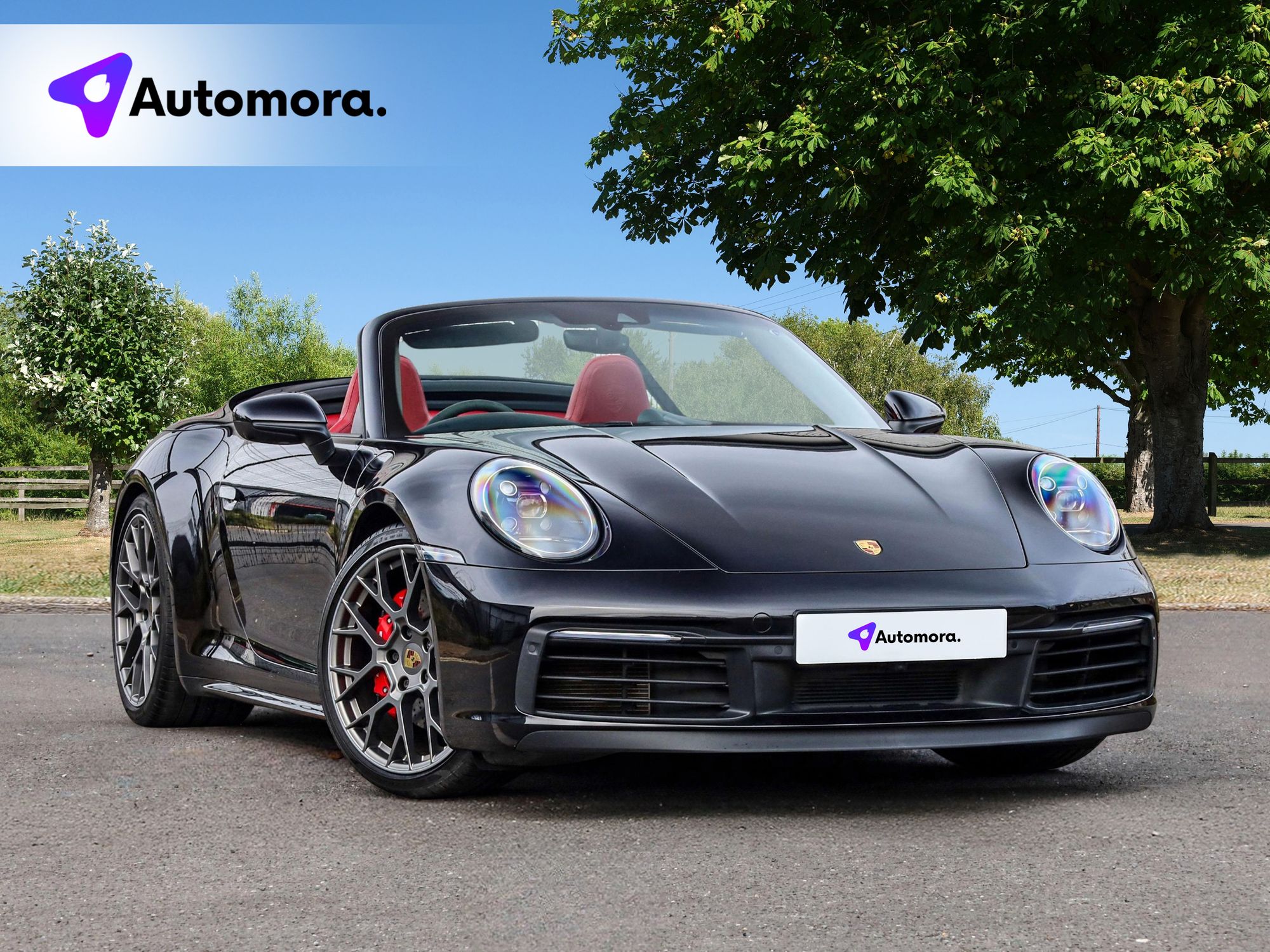
Your stock deserves better photos.Automora turns forecourt photos into showroom-ready listings in under four minutes.
See it on your own stock →