Digital Marketing Trends Every Automotive Dealership Should Know in 2026
Discover the top digital marketing trends for car dealerships in 2026, including SEO, paid ads, social media and video marketing

Digital marketing for car dealerships has changed dramatically over the past few years. In 2026, traditional advertising alone is no longer enough to compete in a crowded and highly competitive automotive market.
Modern car buyers research extensively online before visiting a dealership. They compare prices, read reviews, watch vehicle videos, and evaluate brand perception long before making contact.
Dealerships that understand the latest automotive marketing trends are gaining more enquiries, improving conversion rates, and reducing cost per sale.
Here are the key digital marketing trends every automotive dealership should understand in 2026.
Search Engine Optimisation Is a Core Growth Strategy
Car dealership SEO is now one of the most important long term marketing investments.
When buyers search for:
- Used cars near me
- Best SUV 2026
- Electric cars for sale
- Hybrid vehicles under 20000
- Car finance deals in London
Your dealership should appear.
Strong automotive SEO in 2026 requires:
- Fast website performance
- Mobile optimisation
- Clear site structure
- High quality vehicle listings
- Optimised meta titles and descriptions
- Regular blog content targeting buyer questions
Dealerships that invest in search engine optimisation reduce dependency on paid platforms and build sustainable organic traffic.
Local SEO Is More Competitive Than Ever
Local search remains critical.
Buyers often search using location based queries such as:
- Car dealership in Manchester
- Used cars Bristol
- Nissan dealer near me
To rank locally, dealerships must:
- Optimise Google Business Profiles
- Collect consistent customer reviews
- Use location keywords in website content
- Ensure consistent name address phone information
- Build local backlinks
Local SEO directly influences foot traffic and enquiries.
Paid Advertising Is Becoming More Data Driven
Paid advertising in automotive marketing is evolving.
Dealerships now rely heavily on:
- Google Search Ads
- Display campaigns
- YouTube video ads
- Facebook and Instagram ads
- Retargeting campaigns
However, simply running ads is not enough.
Successful dealerships are:
- Tracking cost per lead precisely
- Measuring return on ad spend
- Optimising landing pages
- Testing creative variations
- Using remarketing intelligently
Data driven advertising reduces waste and improves campaign performance.
Video Marketing Continues to Grow
Video marketing is one of the strongest automotive marketing trends in 2026.
Dealerships are using:
- Walkaround videos
- Stock highlight reels
- Short form social clips
- Behind the scenes content
- Customer testimonials
Video builds trust faster than static content.
Platforms such as YouTube, Instagram and TikTok reward engaging video content with higher visibility.
Search demand for phrases like “car review video” and “walkaround video” continues to grow.
Dealerships that invest in video improve brand awareness and engagement.
Social Media Is a Sales Channel
Social media marketing for car dealerships is no longer just about posting photos.
It is now a lead generation channel.
Successful dealerships:
- Run targeted local campaigns
- Use dynamic inventory ads
- Showcase new arrivals quickly
- Engage directly through messages
- Promote finance offers
Consistency matters.
Posting once per week is not enough. Social algorithms reward regular, engaging content.
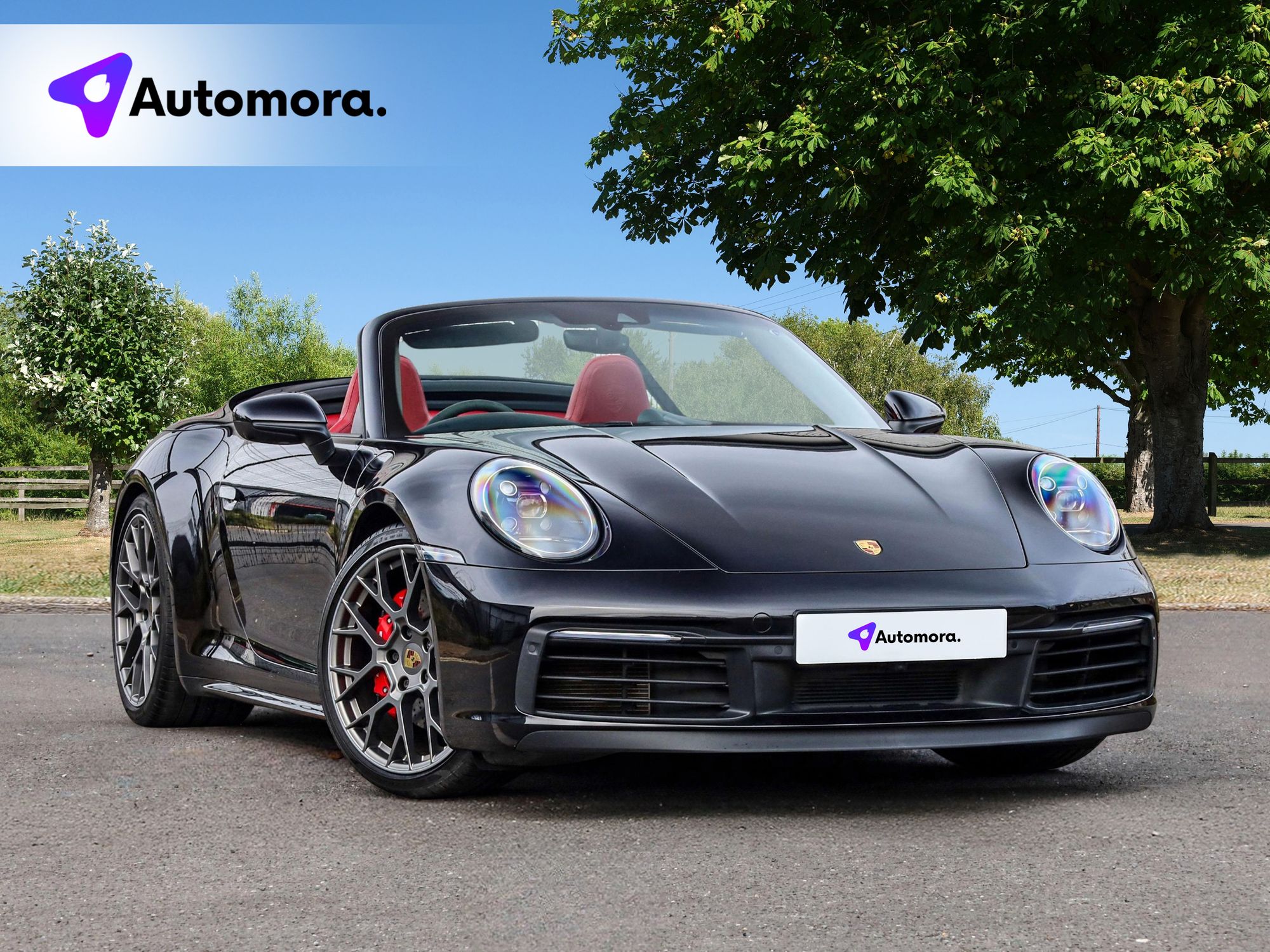
Strong visual presentation plays a major role in performance.
High Quality Visual Content Increases Click Through Rates
Across all digital channels, imagery influences performance.
Professional vehicle images improve:
- Click through rates on Google Ads
- Engagement on social media
- Performance on marketplaces
- Time spent on listings
Visual consistency builds brand recognition.
Clean backgrounds, consistent lighting, and professional framing increase perceived value.
In 2026, dealerships that treat imagery strategically outperform those that treat it as an afterthought.
Automotive Content Marketing Drives Authority
Content marketing is increasingly important for automotive businesses.
Publishing helpful blog articles can attract traffic from searches such as:
- Best family car 2026
- Hybrid vs electric car
- Car buying guide UK
- How does car finance work
- Used car warranty explained
Dealerships that answer buyer questions position themselves as trusted advisors rather than just sellers.
Blog content also supports search engine optimisation and internal linking strategies.
Educational content builds long term authority.
Email Marketing Remains Powerful
Despite new platforms, email marketing remains effective.
Dealerships can use email to:
- Promote new stock
- Highlight price reductions
- Share finance offers
- Follow up on enquiries
- Re engage previous buyers
Personalised email campaigns based on browsing behaviour or previous purchases increase open and conversion rates.
Automation tools make this process scalable.
Reputation Management Influences Buying Decisions
Online reviews strongly influence dealership success.
Buyers frequently check:
- Google reviews
- Auto Trader ratings
- Facebook reviews
Dealerships must actively manage reputation by:
- Encouraging satisfied customers to leave reviews
- Responding professionally to negative feedback
- Monitoring review platforms regularly
High ratings improve both SEO and conversion rates.
Data and Analytics Are Essential
Marketing decisions in 2026 should be data driven.
Dealerships should track:
- Website traffic sources
- Conversion rates
- Cost per enquiry
- Lead to sale ratios
- Performance by vehicle type
Analytics allow dealerships to:
- Allocate budget effectively
- Identify underperforming campaigns
- Improve landing page design
- Refine advertising creative
Without data, marketing becomes guesswork.
Personalisation Is Increasing
Modern buyers expect relevant content.
Personalised marketing includes:
- Dynamic inventory recommendations
- Location specific offers
- Behaviour based email campaigns
- Retargeted ads
Personalisation increases engagement and conversion.
Generic marketing messages are less effective in a competitive digital landscape.
Final Thoughts
Digital marketing for car dealerships in 2026 is more sophisticated, more competitive, and more measurable than ever.
To succeed, dealerships must:
- Invest in search engine optimisation
- Optimise local search presence
- Use data driven paid advertising
- Prioritise strong visual content
- Produce educational blog content
- Leverage video and social media
- Track performance carefully
The dealerships that treat marketing as a strategic growth engine rather than a cost centre will outperform the market.
Digital visibility now directly impacts sales performance.
Those who adapt will grow.
Those who hesitate will fall behind.
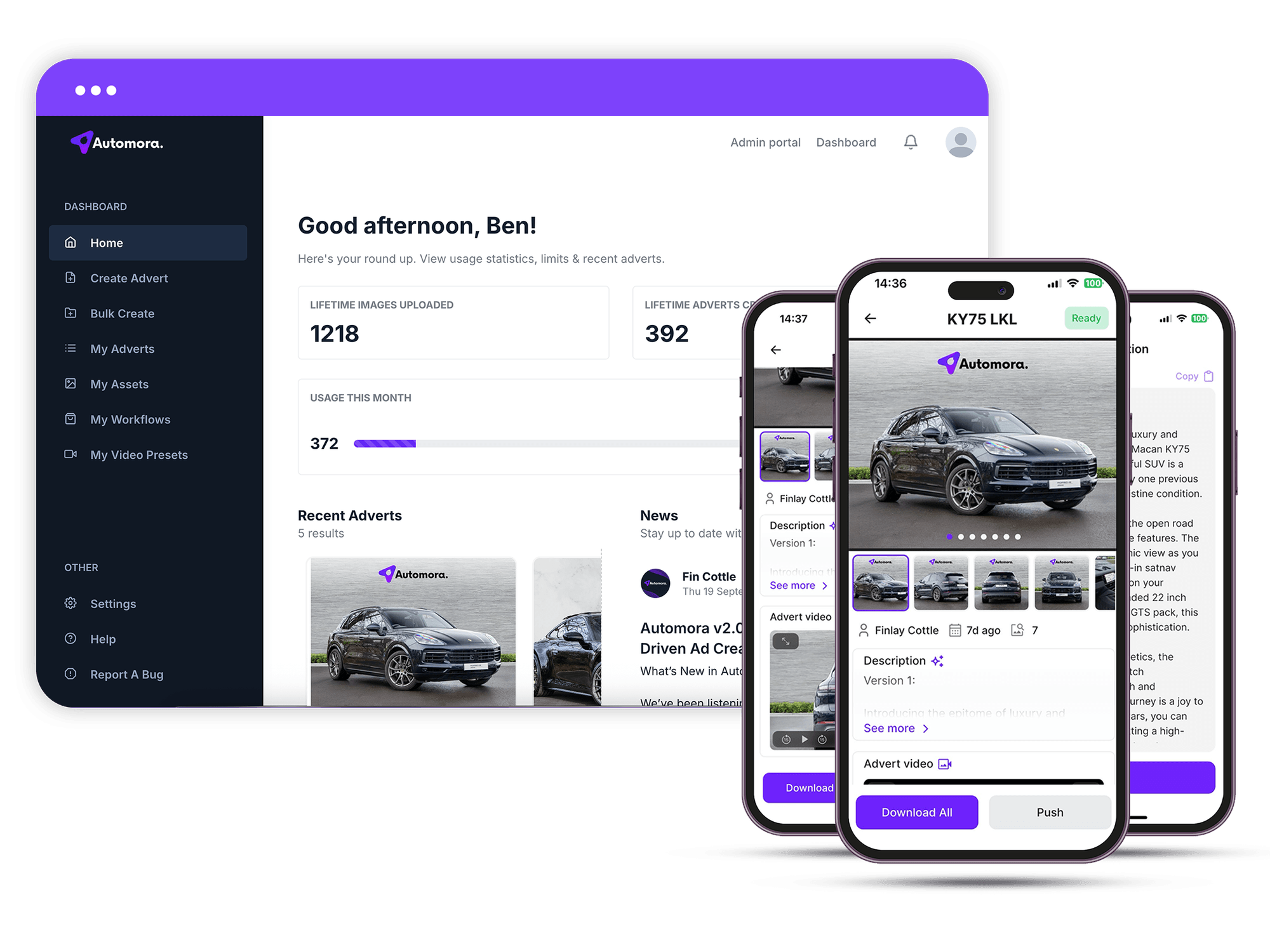
Your stock deserves better photos.Automora turns forecourt photos into showroom-ready listings in under four minutes.
See it on your own stock →