
The automotive industry in 2026 is undergoing one of the most significant transitions in its history. Electrification, artificial intelligence, digital retail transformation, changing consumer behaviour and economic pressure are converging at once.
For dealerships, this isn’t just background noise.
It’s a strategic turning point.
The retailers that adapt early will gain efficiency, speed and competitive advantage. Those that resist change will find themselves squeezed between rising customer expectations and shrinking margins.
Here are the key automotive trends shaping car retail in 2026 — and what they mean for dealerships across the UK, Europe and beyond.
Digital Retail Is No Longer Optional
The idea of “digital retail” has existed for years, but in 2026 it has moved from optional to essential.
Consumers now expect to:
- Browse inventory online
- View detailed imagery and video
- Check finance options instantly
- Reserve or purchase remotely
- Arrange delivery or click-and-collect
Even buyers who still complete purchases in person begin their journey digitally. The dealership website has become the true front door.
What This Means for Dealers
Dealerships must now treat their website like a primary showroom, not a brochure.
That means:
- Fast load speeds
- Clear pricing
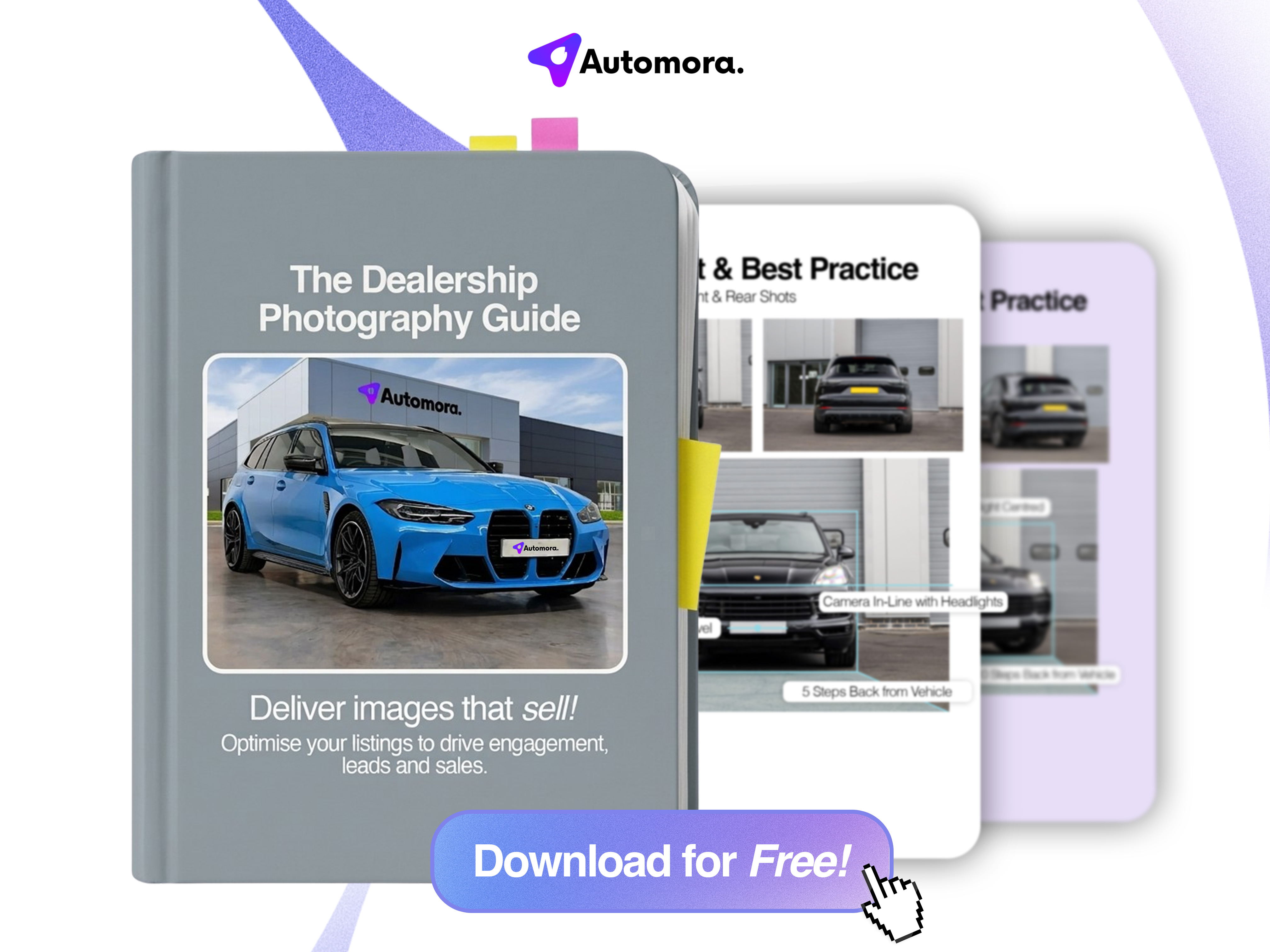
- High-quality, consistent imagery
- Seamless enquiry pathways
- Strong mobile optimisation
If a vehicle listing looks inconsistent, poorly lit, or unprofessional, buyers will move on within seconds. The digital experience sets expectations before a customer ever steps onto the forecourt.
In 2026, image quality is not aesthetic — it’s strategic.
Artificial Intelligence Is Reshaping Operations
AI is no longer experimental in automotive retail. It is being integrated across multiple dealership functions:
- Inventory pricing optimisation
- Lead scoring and routing
- Chatbots and automated responses
- Forecasting and demand modelling
- Marketing campaign targeting
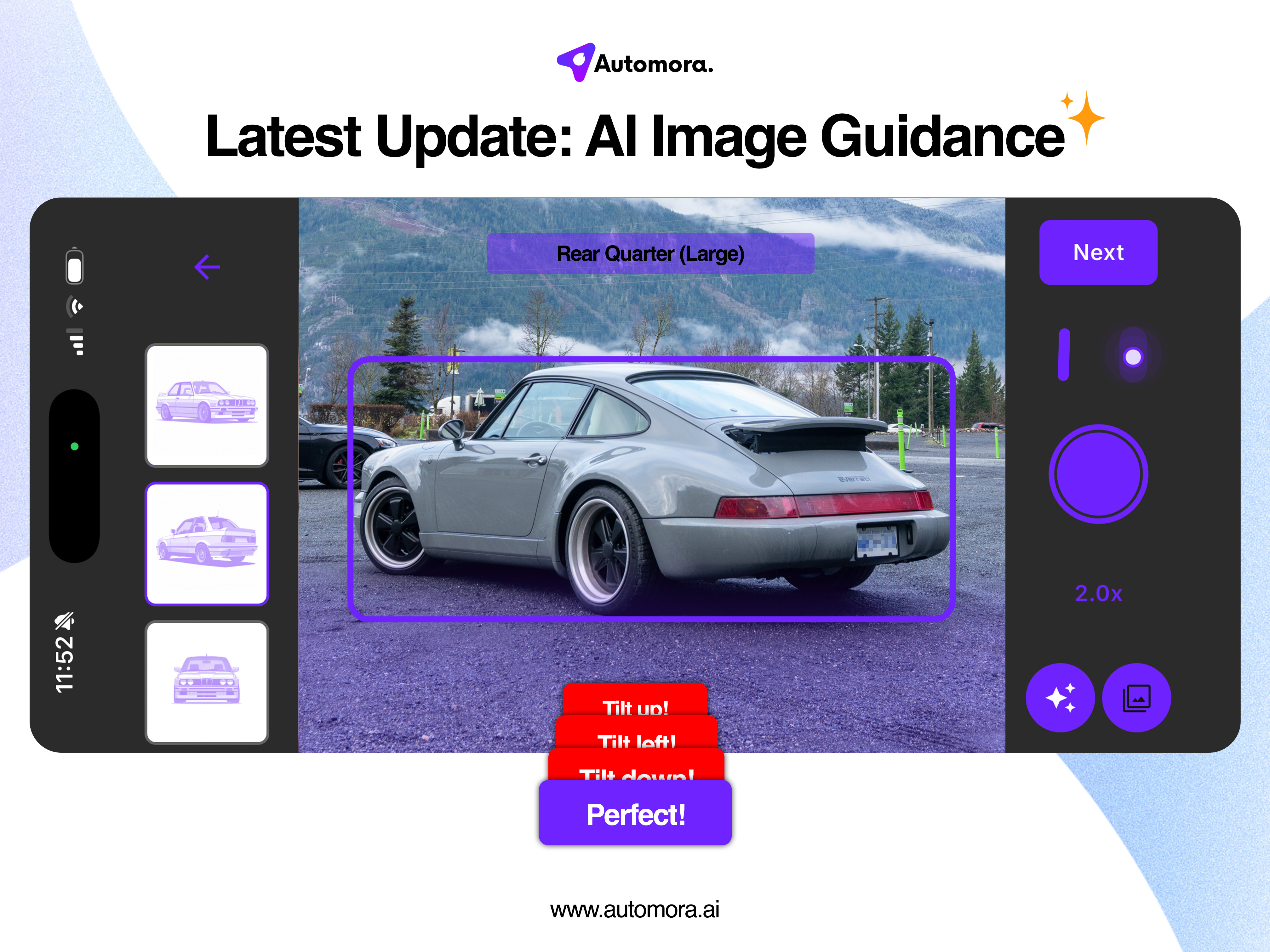
- Image processing and content creation
The most successful dealership groups are not just using AI — they are embedding it into their daily workflows.
AI and Efficiency
Margins in automotive retail remain tight. Operational efficiency has become a competitive differentiator.
AI reduces:
- Manual admin time
- Image editing hours
- Data entry duplication
- Marketing inefficiencies
- Lead response delays
The result is faster stock turn, reduced staffing pressure and more consistent brand presentation.
Dealers who resist automation risk being outpaced by leaner, tech-enabled competitors.
The Continued Rise (and Stabilisation) of EVs and Hybrids
Electric vehicle adoption continues to grow in 2026, but with nuance.
While early hype suggested an immediate full transition, the reality is more balanced:
- Hybrid sales remain strong
- Used EV demand is stabilising
- Infrastructure development continues but varies by region
- Government incentives fluctuate
Consumers are more informed and cautious. Range, resale value and charging availability remain common concerns.
How Dealers Must Adapt
Dealerships need to:
- Educate buyers clearly
- Provide transparent range and charging information
- Train sales staff on EV technical knowledge
- Optimise listings to include charging specs and battery details
- Highlight total cost of ownership comparisons
EV buyers research heavily online before engaging. Clear digital presentation is critical.
Speed to Market Is Becoming Critical
In 2026, stock speed is everything.
The faster a vehicle is:
- Prepared
- Photographed
- Processed
- Uploaded
- Advertised
The faster it generates enquiries.
Inventory sitting offline for days due to bottlenecks — especially in imaging and listing preparation — now represents lost revenue.
Many dealerships are recognising that delays often occur between:
- Photography and image editing
- Editing and upload
- Upload and live listing
Optimising this workflow can reduce days-to-live dramatically.
Faster stock turn equals:
- Improved cash flow
- Lower holding costs
- Increased competitiveness
Consumer Expectations Have Shifted Permanently
Today’s buyers expect:
- Transparent pricing
- High-quality visuals
- Fast communication
- Clear vehicle history
- Immediate availability
They are comparing your listing against national and international competitors within seconds.
If one dealership presents:
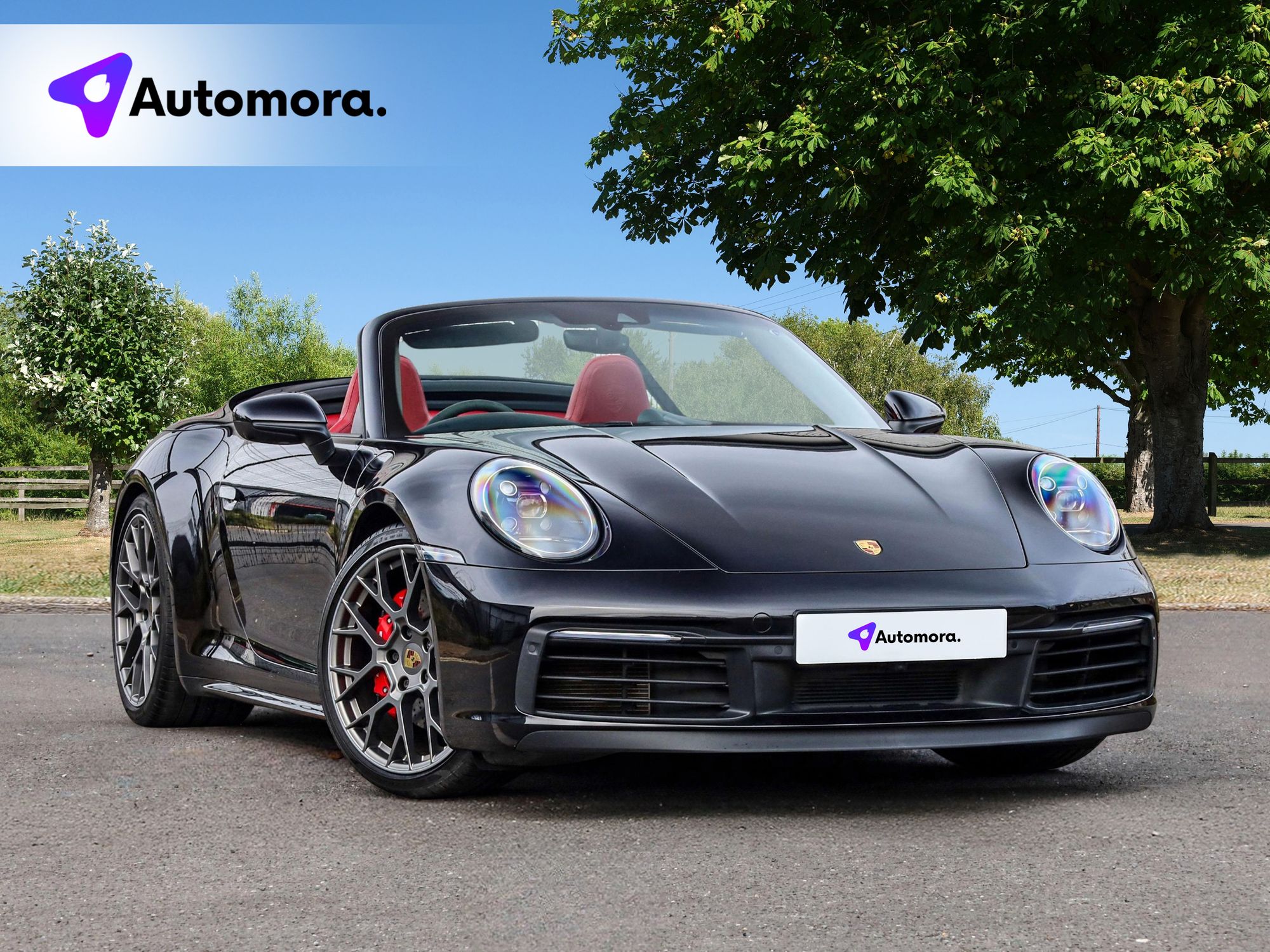
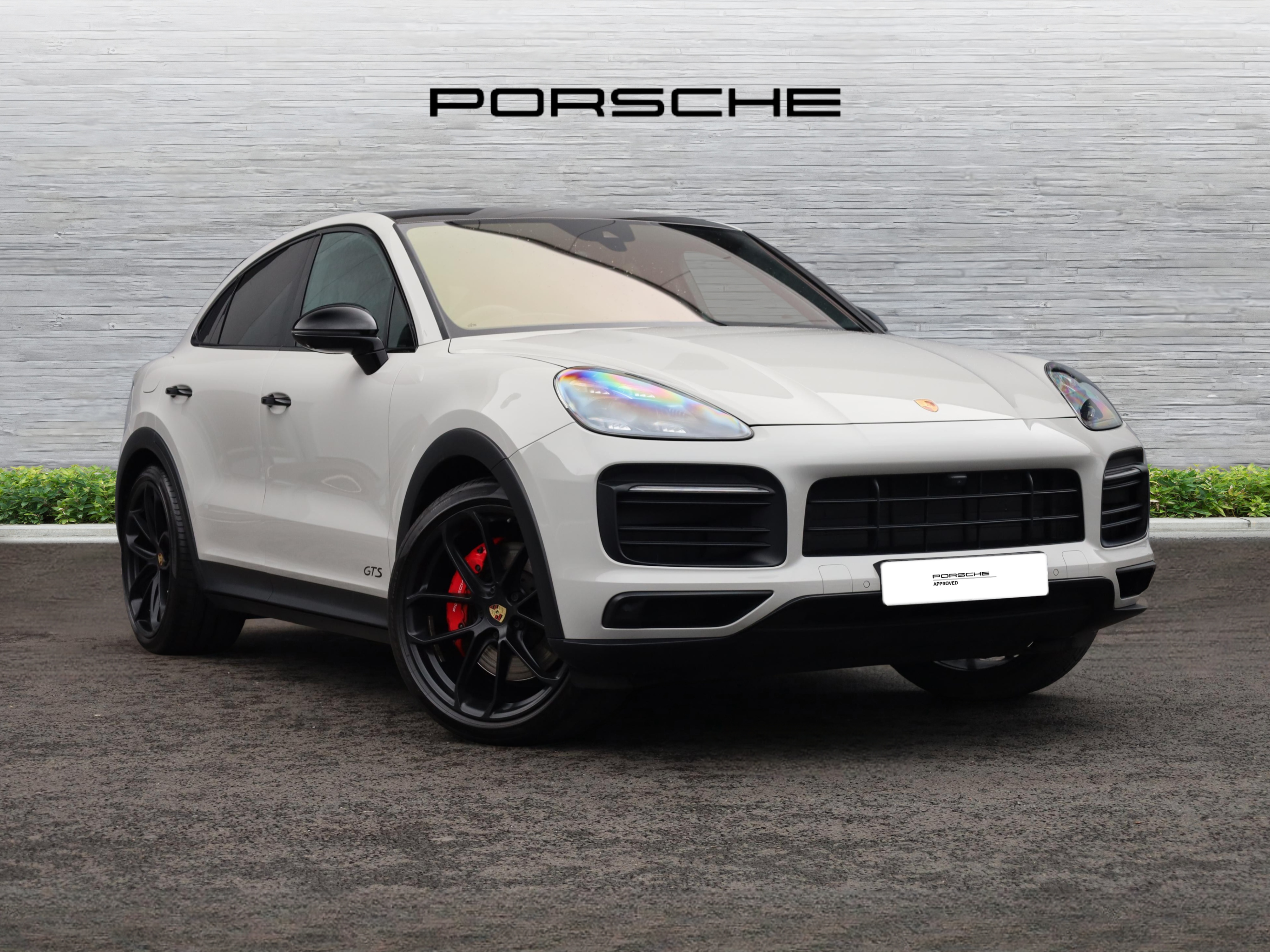
- Clean backgrounds
- Consistent angles
- Clear lighting
- Professional finish
And another shows inconsistent forecourt shots with distractions, buyers will subconsciously associate quality with trust.
Visual consistency has become part of brand positioning.
Multi-Location Dealer Groups Are Standardising Processes
Dealer groups with multiple sites are increasingly focused on brand consistency across locations.
They want:
- Uniform listing presentation
- Standardised photo angles
- Consistent branding overlays
- Centralised image workflows
- Scalable processes across regions
This standardisation is driven by:
- Brand perception
- Efficiency gains
- Reduced training overhead
- Stronger digital identity
The days of each site “doing their own thing” are fading.
The Importance of Data and Attribution
Marketing budgets in 2026 are more scrutinised than ever.
Dealer groups now track:
- Cost per lead
- Cost per vehicle sold
- Source attribution
- Click-through rates on listings
- Engagement metrics
Visual presentation directly impacts CTR and dwell time.
Listings with:
- Clean, distraction-free imagery
- Consistent lighting
- Clear framing
Typically outperform cluttered alternatives.
The dealers who measure and optimise visual performance gain an advantage over those who rely on assumption.
Social Media and Video Continue to Grow
Short-form video, vertical content and social storytelling remain powerful in 2026.
Dealerships are leveraging:
- Instagram Reels
- TikTok inventory showcases
- LinkedIn thought leadership
- YouTube walkarounds
But strong visual assets remain the foundation.
Professional imagery can be repurposed across:
- Website listings
- Paid ads
- Organic social
- Email campaigns
One high-quality visual workflow feeds multiple channels.
Used Car Market Stability and Margin Pressure
The used car market has stabilised compared to previous volatility, but margin pressure remains.
Dealers must:
- Price accurately
- Move stock quickly
- Reduce operational overhead
- Increase conversion rates
This environment rewards:
- Process efficiency
- Digital optimisation
- Consistent branding
- Strong online presence
Operational friction now directly affects profitability.
Brand Perception Matters More Than Ever
In a crowded digital marketplace, brand trust differentiates.
Professionalism in presentation communicates:
- Reliability
- Quality
- Attention to detail
- Confidence
Buyers make subconscious judgments in milliseconds.
A polished digital showroom builds authority before a salesperson ever speaks to the customer.
What This All Means for Dealerships in 2026
The automotive industry is not slowing down.
It is accelerating — technologically, digitally and competitively.
To remain competitive, dealerships must:
- Embrace digital retail fully
- Integrate AI where appropriate
- Streamline stock workflows
- Prioritise image and listing quality
- Standardise processes across locations
- Use data to guide decisions
- Invest in digital brand presentation
The future of car retail belongs to:
- Faster operators
- More consistent brands
- Tech-enabled workflows
- Digitally mature dealerships
Final Thoughts
2026 is not about radical overnight transformation.
It’s about incremental optimisation across every part of the dealership ecosystem.
Small improvements in:
- Workflow efficiency
- Digital presentation
- Stock speed
- Visual consistency
Compound into measurable competitive advantage.
The dealerships that understand this and act on it will define the next era of automotive retail.
Your stock deserves better photos.Automora turns forecourt photos into showroom-ready listings in under four minutes.
See it on your own stock →